 Buy now, pay later — powered by PayPal
Garden
Copper tape vs slug pellets, nematodes and wool: what to use now
With metaldehyde slug pellets banned in Great Britain, copper tape is a safe, chemical-free physical barrier that works best combined with nematodes, hand-picking and tidy habitat. No single method replaces the old pellets on its own — the trick is matching each method to the job. This guide from Little Copper Garden compares copper tape, nematodes, wool pellets and the rest honestly, so you can build a slug defence that actually holds.
In short: use copper tape to ring pots and raised beds, nematodes to treat the soil over larger areas, and hand-picking and tidy habitat to keep numbers down — together they replace banned pellets far better than any one option alone.
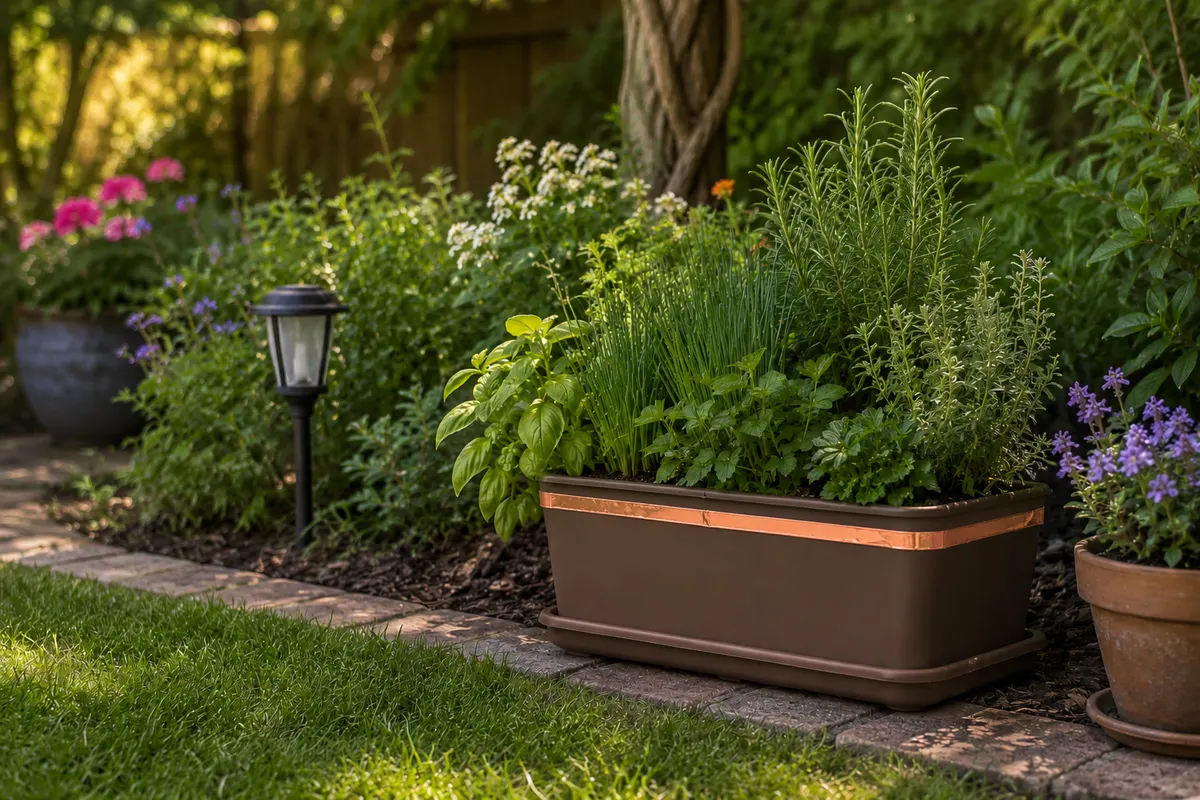
Now slug pellets are banned, what should I use?
The UK government confirmed the outdoor ban on metaldehyde slug pellets in September 2020, and the withdrawal took full effect on 31 March 2022 — so the reliable chemical shortcut no longer exists. The best replacement is a layered, chemical-free approach: a physical barrier on the plants you most want to protect, a biological control for the wider soil, and a little routine gardening to keep the population in check. Copper tape covers the first job better than almost anything else for containers and bed edges.
Copper tape vs slug pellets, nematodes and wool — at a glance
| Method | Best for | Lasts | Safe around pets & food |
|---|---|---|---|
| Copper tape | Pots, troughs, raised-bed edges, greenhouse staging | A season; refresh in spring | Yes — purely physical |
| Nematodes | Larger areas, open ground, underground slugs | ~6 weeks; repeat as needed | Yes |
| Wool pellets | Borders and in-ground plants | Until they break down | Yes |
| Ferric phosphate pellets | Spot use where barriers aren't practical | Until eaten / weathered | Approved for organic use; still a bait |
| Hand-picking & traps | Knocking numbers down on damp evenings | Ongoing | Yes |
When is copper tape the right choice?
Reach for copper tape when you want to protect specific, high-value plants in containers or raised beds — hostas, dahlias, seedlings, salad leaves and strawberries. It's tidy, reusable, safe around everything, and once fitted as an unbroken ring it keeps working night after night without you lifting a finger. Where it's weaker is open ground and sprawling beds, which is exactly where nematodes earn their place.
In short: copper tape is the easiest, longest-lasting barrier for pots and bed edges; nematodes do more for open soil.
How to combine them into one defence
Ring your pots, troughs and raised-bed rims with copper tape fitted as an unbroken band, water nematodes into the wider soil in warm, moist spells, scatter wool around vulnerable in-ground plants, and hand-pick on damp evenings. Tidy away slug hiding places and start with clean compost. No single layer is perfect, but together they protect a real garden far better than banned pellets ever did — see whether copper tape really works for slugs for the honest detail on getting the barrier right.
Which copper tape width should I buy?
For a slug barrier, wider is better. The 24 mm and 50 mm rolls are the most reliable for pots and raised beds; narrower tape suits small containers or doubling up. All widths use the same genuine conductive copper foil.
- Copper Tape - 5mm x 25m — £4.09
- Copper Tape - 10mm x 25m — £5.19
- Copper Tape - 20mm x 25m — £6.09
- Copper Tape - 24mm x 12m — £6.09
- Copper Tape - 50mm x 15m — £10.49
In short: choose 24–50 mm for the most reliable barrier — the width guide has the full breakdown.
Frequently asked questions
- Are slug pellets banned in the UK?
- Outdoor metaldehyde slug pellets are banned across Great Britain (the ban was finalised in 2020 and fully in force from 2022), so the old chemical option most gardeners relied on is gone. Ferric phosphate pellets remain available and are approved for organic use, but many gardeners now prefer pellet-free physical and biological controls.
- What is the best alternative to slug pellets?
- There isn't one single replacement — the most reliable approach combines methods. Copper tape rings pots and raised beds, nematodes treat the soil where slug pressure is high, and hand-picking plus tidy habitat reduce the population. Copper is the easiest, longest-lasting barrier for containers; nematodes do more for open ground.
- Copper tape or nematodes — which is better?
- They do different jobs, so use both. Copper tape is a physical barrier that keeps slugs off a specific pot, trough or bed edge, lasts a season and is safe around food and pets. Nematodes are microscopic organisms watered into the soil that reduce the slug population for around six weeks — better for larger areas and underground slugs, but they need warm, moist soil and repeat applications.
- Do wool pellets work better than copper tape?
- Wool pellets form a deterrent mat around plants and add organic matter, which suits open beds and borders. Copper tape is tidier and reusable for pots, troughs and raised-bed rims. Many gardeners use wool around in-ground plants and copper around containers — they complement each other rather than compete.
- Is copper tape safe to use around vegetables and pets?
- Yes. Copper tape is a purely physical deterrent with no poison, so it is safe around edible crops, pets, children, hedgehogs and pollinators — one of its main advantages over chemical pellets.